
Key Takeaways
- Common reasons a furnace stops working include thermostat issues, power interruptions, clogged filters, and faulty ignition components.
- Check thermostat settings, accessible filters, circuit breakers, and vents before requesting service, but avoid handling electrical or gas components.
- Persistent shutdowns, unusual smells, and repeated breaker trips require prompt attention from a qualified professional.
- Consider furnace replacement when breakdowns recur or repair costs increase, and ensure the new system is properly sized for your home.
Introduction
When your furnace suddenly stops working, a chilly home is only part of the problem. The real concern is figuring out whether the issue involves a simple thermostat setting, restricted airflow, or a mechanical fault that needs professional attention. Homeowners seeking residential heating services in Fresno can benefit from understanding common warning signs before arranging a repair. A few safe checks may help identify the problem, but recognizing when to call a technician is essential for protecting your home and heating equipment.
Why Is Your Furnace Not Turning On?
A furnace may fail to start because of an incorrect thermostat setting, a power interruption, a clogged filter, or a malfunctioning component. Identifying the symptoms can help you explain the problem clearly when requesting service.
Here are common causes to consider:
- Thermostat problems: Incorrect settings, depleted batteries, or faulty wiring can prevent the system from calling for heat.
- Power interruptions: A tripped circuit breaker or switched-off service switch may stop the furnace from operating.
- Restricted airflow: A dirty filter can limit airflow and contribute to overheating or system shutdowns.
- Ignition or component failure: Problems with an igniter, flame sensor, or blower motor may require professional diagnosis.
Before assuming the furnace needs replacement, check the thermostat setting and inspect the filter if it is safely accessible. Avoid repeatedly resetting a furnace that continues shutting down, as this can conceal an underlying fault.
What Can You Safely Check Before Calling a Technician?
Start with basic checks that do not involve opening equipment panels or handling electrical and gas components.
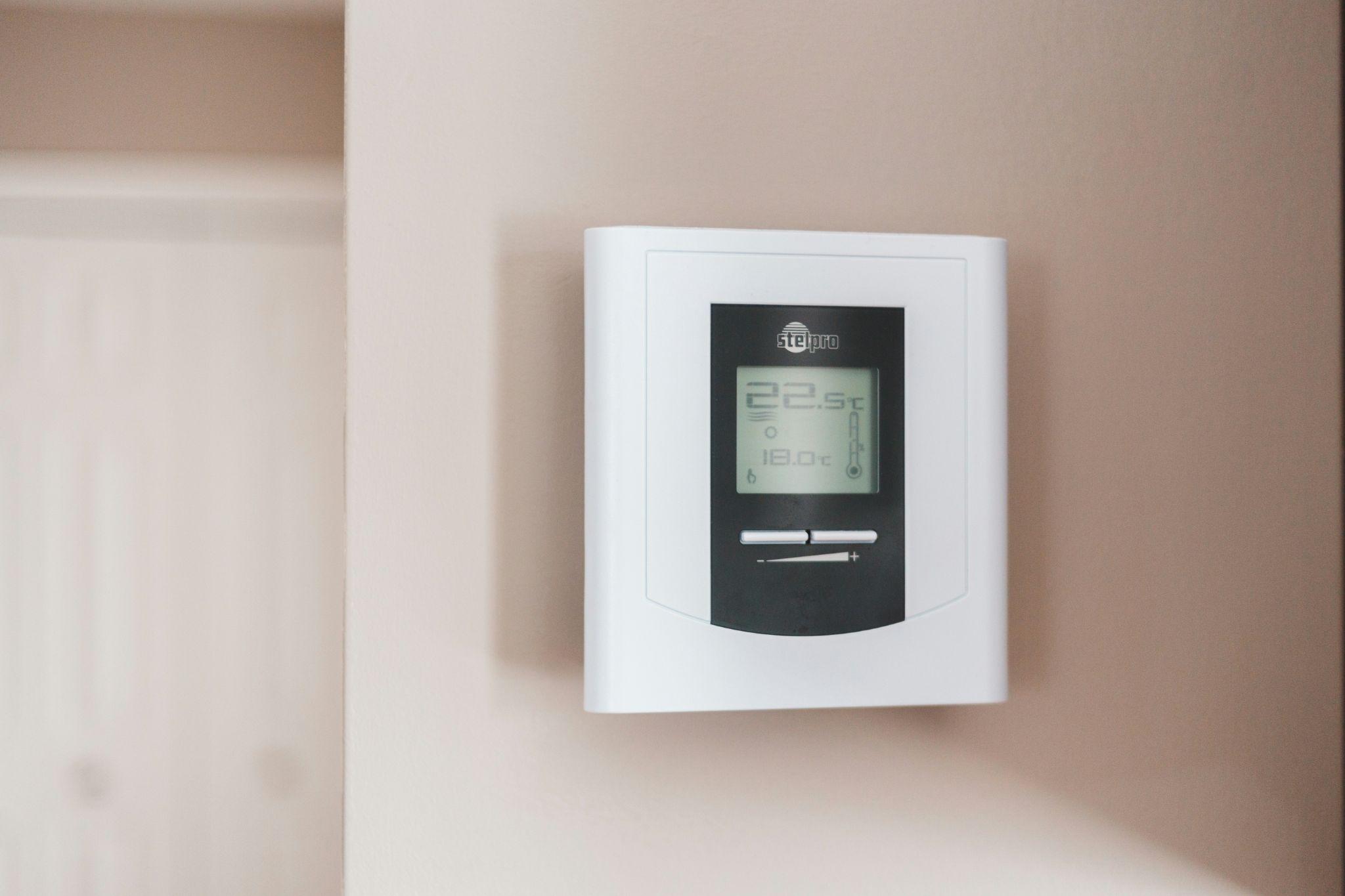
- Check the thermostat: Set it to heating mode and choose a temperature above the current room temperature.
- Inspect the filter: If it looks heavily clogged, replace it with the correct size and type recommended by the manufacturer.
- Check the circuit breaker: Look for a tripped breaker, but never repeatedly reset one that trips again.
- Check accessible vents: Make sure furniture or other objects are not blocking supply and return vents.
- Note unusual symptoms: Record any error codes, clicking sounds, short cycling, or changes in airflow for the technician.
The U.S. Department of Energy explains that clogged filters can reduce airflow and increase furnace runtime and energy consumption. Its guidance on proper HVAC filter installation also emphasizes using and maintaining suitable filters.
Safety first: If you smell gas, leave the home without operating electrical switches or using flames, then contact your gas utility or emergency services from a safe location. If a carbon monoxide alarm sounds, leave immediately and contact emergency services.
When Should You Arrange Professional Heating Repair?
Professional service is appropriate when basic checks do not restore operation or the furnace repeatedly shuts down. A technician can test controls, inspect ignition components, evaluate airflow, and identify faults that cannot be safely diagnosed through external checks.
| Symptom | Possible cause | Recommended response |
|---|---|---|
| Furnace does not respond | Thermostat or power issue | Check basic settings and power |
| Furnace starts but stops quickly | Airflow restriction or safety control issue | Inspect the filter and arrange service if persistent |
| Blower runs but air stays cold | Ignition or heating-component fault | Request professional diagnosis |
| Unusual burning smell or repeated breaker trips | Potential electrical or equipment problem | Stop operating the system and seek professional help |
Homeowners needing heating repair in Fresno should describe the symptoms and any troubleshooting already completed. This information can help a technician prepare for the service visit.
When Is Furnace Replacement Worth Considering?
Replacement may be worth discussing when a furnace experiences recurring breakdowns, struggles to heat the home, or requires increasingly expensive repairs. Age alone does not determine whether replacement is necessary; equipment condition, repair costs, efficiency, and household comfort all matter.
If replacement becomes the practical choice, furnace installations in Fresno should include proper equipment sizing, ductwork assessment, and verification that the new system meets the home's heating requirements.
For more guidance on comparing heating and cooling options, read How to Choose the Right HVAC System for Fresno Homes.
Restore Your Home's Comfort With the Right Help
Who provides reliable residential heating services in Fresno?
Homeowners can contact A&G Heating and Air to discuss heating problems, arrange professional evaluation, and explore suitable repair or replacement options.
Acting early when your furnace shows warning signs can help you address faults before they develop into more disruptive problems. Regular maintenance, appropriate filter changes, and prompt attention to unusual operation all contribute to a more dependable heating system.
Need Help With Your Home's Heating System?
Restore comfort to your home with professional heating support. Contact A&G Heating and Air to discuss furnace problems, repair options, and heating system replacement.