
Why Do AC Systems Break Down More Often During Central Valley Summers?
Central Valley summers can push air conditioners to their limits. AC systems may run for long periods to maintain indoor comfort. Extended operation can expose problems that went unnoticed during milder weather.
A dirty filter, weak electrical component, refrigerant issue, or airflow restriction may become more noticeable when equipment works continuously. Recognizing these problems early can help homeowners arrange air conditioning repair in Central Valley before a minor issue becomes a complete failure.
1. Dirty or Clogged Air Filters
Air filters protect HVAC equipment from dust, but debris can restrict them. A clogged filter limits airflow and makes the system work harder. Homeowners may notice weak airflow, warm rooms, or longer cooling cycles. Check the filter and replace or clean it as recommended.
2. Dirty Outdoor Condenser Coils
The condenser releases heat removed from the home. Dirt, leaves, grass, and debris can interfere with heat transfer. During a heatwave, a dirty condenser can contribute to longer cycles and strain. Keep the area clear and have heavily soiled coils professionally cleaned.
3. Low Refrigerant or Refrigerant Leaks
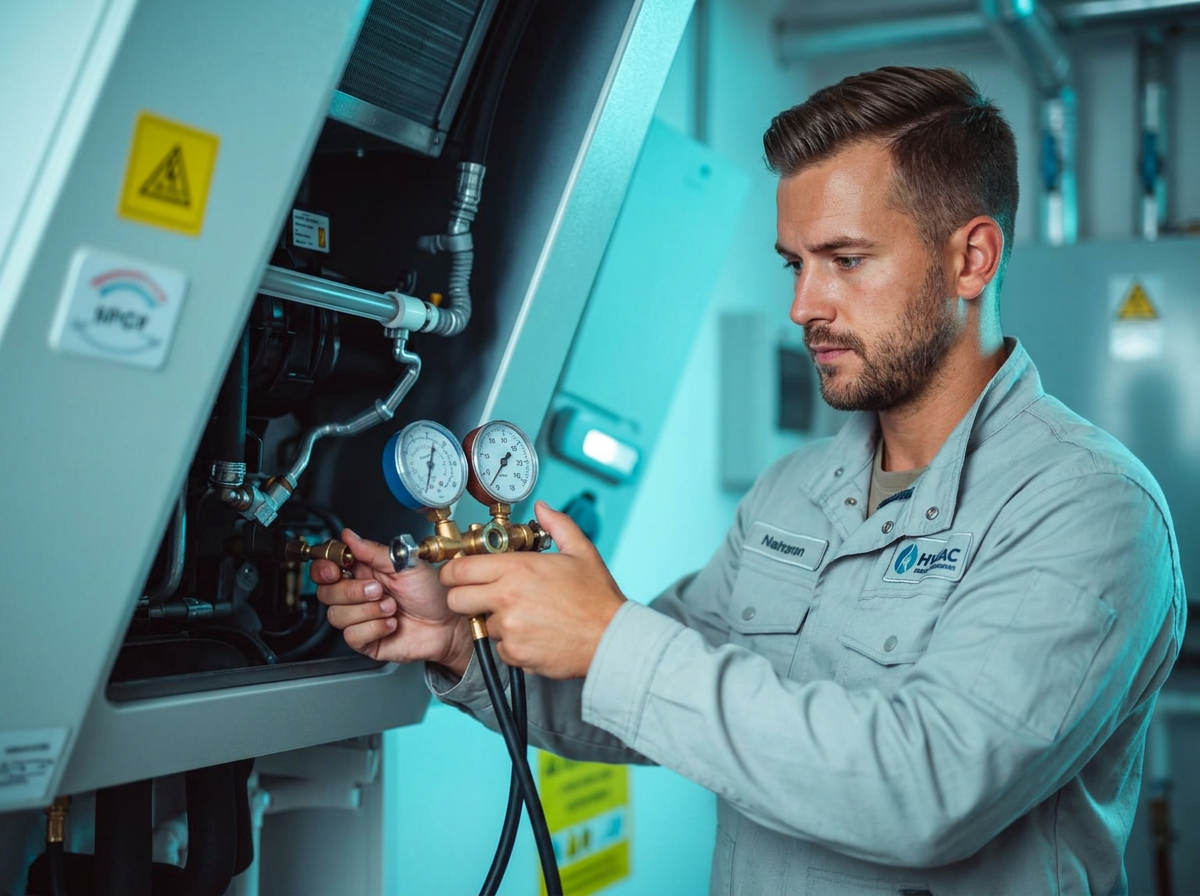
Refrigerant is essential to cooling. If an AC has a leak or incorrect charge, it may struggle to remove heat. Warning signs include warm air, long cycles, poor temperature control, ice formation, or continuous operation without adequate cooling. Adding refrigerant without finding the underlying problem is not a complete solution. This work requires specialized equipment and a qualified professional.
4. Electrical Component Problems
Air conditioners rely on capacitors, motors, wiring, and controls. When a component fails, the system may have trouble starting or operating consistently. Clicking, humming, repeated shutdowns, or a system that will not start can indicate an electrical problem. If the AC repeatedly trips a breaker, have it professionally diagnosed.
5. Clogged Condensate Drain Lines
During cooling, an AC removes moisture from indoor air through a condensate drain. When the line becomes clogged, water can back up and activate a safety switch that shuts the system down. Water near the indoor unit may signal a drainage problem.
6. Aging Components and General Wear
Motors, fans, capacitors, controls, and electrical connections naturally wear over time. An older AC may cool slowly, make unusual sounds, cycle frequently, or need repeated repairs. These signs do not mean replacement. A professional evaluation can determine if repair is practical.
7. Restricted Airflow and Ductwork Issues
Cooling problems do not always originate inside the AC unit. Leaking ducts may allow conditioned air to escape, while obstructed registers can create uneven temperatures. If the living room feels comfortable while bedrooms remain warm, the issue could involve ductwork or air distribution.
Common AC Problems at a Glance
| Problem | Warning Signs | Recommended Response |
|---|---|---|
| Dirty filter | Weak airflow | Replace or clean |
| Dirty condenser | Poor cooling | Keep unit clear, arrange cleaning |
| Refrigerant issue | Warm air, ice | Professional diagnosis |
| Electrical fault | Shutdowns, humming | Contact a technician |
| Clogged drain | Water, shutdown | Inspect drain |
| Aging components | Noise, repairs | Evaluate system |
| Ductwork issue | Uneven temperatures | Inspect airflow |
How Can Homeowners Prevent Summer AC Breakdowns?
Preventive maintenance cannot eliminate every failure, but it can identify developing problems.
Check the Air Filter
Inspect the filter regularly and replace or clean it according to manufacturer instructions. A clean filter supports airflow.
Keep the Outdoor Unit Clear
Remove leaves, grass, and debris from around the condenser. Keep objects away so air can circulate.
Watch for Performance Changes
Pay attention to warm air, weak airflow, unusual noises, frequent cycling, water, or increasingly long cooling cycles.
Schedule Professional Maintenance
Professional maintenance evaluates components homeowners cannot safely inspect. The U.S. Department of Energy recommends regular HVAC maintenance because neglected components can reduce performance and increase energy use. U.S. Department of Energy HVAC maintenance guidance
When Should You Call for AC Repair?
Professional service is appropriate when an AC stops cooling, blows warm air, repeatedly trips a breaker, makes unusual sounds, develops water leaks, or cannot maintain the thermostat setting.
Early diagnosis may provide more repair options and reduce the chance of losing cooling during extreme heat. For a complete failure requiring immediate assistance, homeowners may need emergency AC repair in Central Valley rather than waiting for a routine appointment.
Where Can Homeowners Find AC Repair Help in Central Valley?
After identifying an air conditioning problem, homeowners should look for a qualified HVAC provider with experience handling different types of cooling systems. A reliable provider should offer clear communication, prompt response times, and properly trained technicians who can diagnose the issue before recommending a repair. Checking service areas, availability, and the range of services offered can also help homeowners choose a provider that fits their needs. For urgent problems, homeowners may also want to consider companies that provide emergency service or same-day appointments, especially during periods of extreme heat.
A&G Heating and Air provides air conditioning installation, repair, and maintenance across Fresno, Madera, Tulare, Kings, and Merced counties. The company also offers 24/7 emergency dispatch and same-day service, giving homeowners access to assistance when an unexpected cooling problem affects their comfort.
Homeowners researching AC repair services in Central Valley can compare local providers based on their service coverage, response times, technician experience, and available repair options. Reviewing these factors can make it easier to identify a dependable HVAC service for both immediate repairs and ongoing air conditioning maintenance.
What Should You Do Before Calling an AC Technician?
Check the thermostat, inspect the filter, and look for debris around the outdoor unit. Avoid electrical, refrigerant, compressor, or complex mechanical repairs without proper training. When contacting a technician, explain when the problem started and whether unusual sounds are present.
Key Takeaways
- Extreme heat increases the workload on residential AC systems.
- Dirty filters, condenser coils, refrigerant issues, electrical faults, clogged drains, and restricted airflow can affect cooling.
- Maintenance and early attention to warning signs can reduce breakdowns.
- A&G Heating and Air provides AC-related services to keep the systems functioning efficiently.