
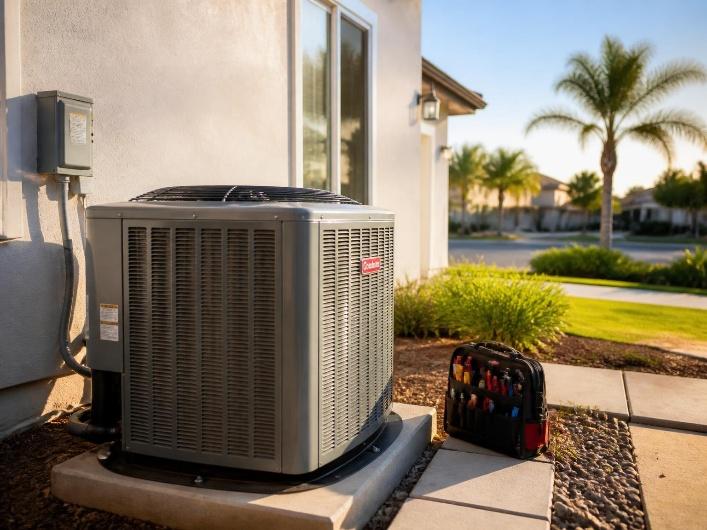
Key Takeaways
- Wildfire smoke can enter homes through ventilation systems, air leaks, doors, and poorly sealed ductwork.
- Low-efficiency or improperly maintained HVAC filters may allow fine smoke particles to circulate indoors.
- MERV 13-compatible HVAC filters and properly sized portable HEPA air cleaners can help reduce indoor smoke exposure.
- Professional indoor air quality services in Fresno can help identify suitable filtration and purification options for your home.
Wildfire smoke does not always stay outdoors. Even when windows and doors are closed, microscopic smoke particles can enter your home through ventilation systems, small gaps, and poorly sealed areas. Without effective filtration, these pollutants can continue circulating through your living spaces.
For Fresno homeowners, preparing for wildfire season means looking beyond air conditioning. Investing in professional indoor air quality services in Fresno can help identify filtration weaknesses, reduce airborne particle circulation, and create a cleaner indoor environment when outdoor conditions deteriorate.
How Does Wildfire Smoke Enter Your Home?
Wildfire smoke contains fine particulate matter, particularly PM2.5, which consists of particles small enough to travel deep into the respiratory system.
Common entry points include:
- HVAC ventilation systems: Systems drawing in outdoor air without appropriate filtration can introduce smoke particles indoors.
- Air leaks: Gaps around windows, doors, and electrical outlets allow polluted outdoor air to enter.
- Poorly sealed ductwork: Leaking ducts can draw contaminants from attics, crawl spaces, or other unconditioned areas.
- Frequent door openings: Opening exterior doors during smoky conditions allows polluted air inside.
Once indoors, smoke particles can remain suspended or settle on furniture, flooring, and other surfaces. Without adequate filtration, normal HVAC operation may redistribute these particles.
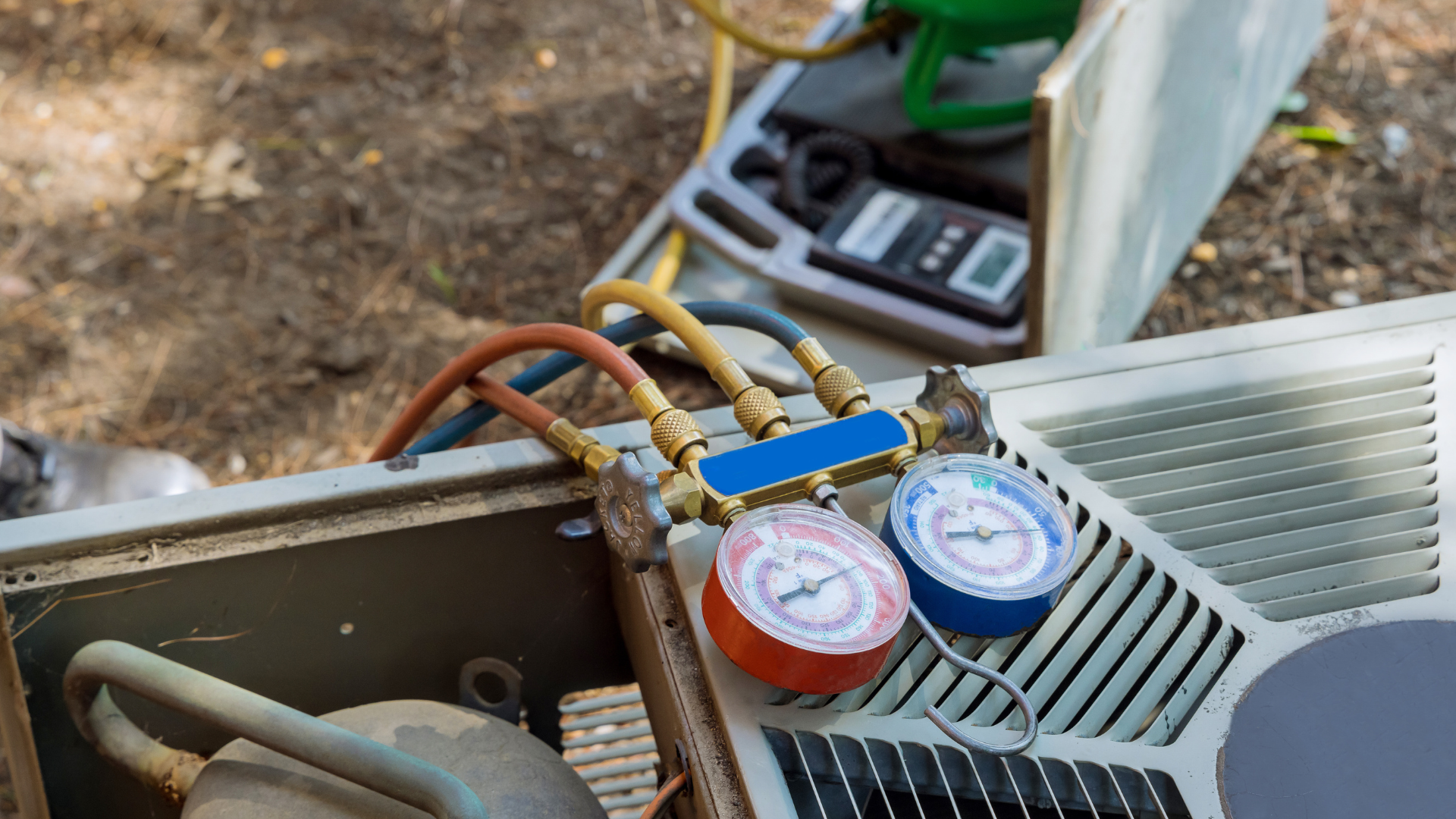
How Poor Indoor Air Filtration Makes Wildfire Smoke Worse
Your HVAC filter plays an important role in managing airborne pollutants. However, a standard filter designed primarily to protect HVAC equipment may not capture enough fine particles to provide meaningful protection during heavy smoke events.
Here are three common filtration problems homeowners should watch for.
1. Using Low-Efficiency HVAC Filters
Basic fiberglass filters generally capture larger airborne particles but offer limited protection against fine smoke particles.
The Environmental Protection Agency (EPA) recommends using MERV 13 filters or the highest-efficiency option compatible with your HVAC system during wildfire smoke events.
However, installing a filter with unnecessarily high resistance can restrict airflow. Professional assessment helps ensure that filtration improvements do not compromise system performance.
2. Neglecting Filter Replacement
A dirty filter cannot perform as intended. As dust and other particles accumulate, airflow can become restricted, potentially reducing system performance.
During wildfire season, inspect your filter more frequently than usual. Replace it when it becomes visibly dirty or according to the manufacturer's recommendations and actual operating conditions.
3. Ignoring Ductwork and Air Leaks
Even an efficient filter cannot compensate for significant air leakage around the filter slot or poorly maintained ductwork.
A properly fitted filter ensures that circulating air passes through the filtration media instead of bypassing it. Checking duct connections and return-air pathways can also identify opportunities to reduce unwanted pollutant entry.
Which Whole-Home Air Filtration Options Help During Wildfires?
Whole-home filtration allows your central HVAC system to filter circulating air throughout the areas it serves.
Depending on your equipment and household requirements, available options include:
- MERV-rated media filters: Capture airborne particles, including fine particulate matter when appropriately rated.
- HEPA filtration systems: Provide highly efficient particle capture, although whole-home integration requires careful consideration of airflow and equipment compatibility.
- Portable HEPA air cleaners: Provide additional filtration in individual rooms, particularly bedrooms and frequently occupied spaces.
The EPA's indoor air filtration recommendations explain how high-efficiency HVAC filters and appropriately sized portable air cleaners can reduce indoor wildfire smoke exposure.
What Is the Difference Between UV Air Purification and Air Filtration?
Air filtration physically captures airborne particles, while UV air purification uses ultraviolet light to inactivate certain microorganisms.
Although both technologies support indoor air management, they serve different purposes. UV purification is not a substitute for particle filtration during wildfire season.
| Feature | Traditional Air Filtration | UV Air Purification |
|---|---|---|
| Primary function | Captures airborne particles | Targets certain microorganisms |
| Smoke particles | Can capture fine particles with suitable filters | Does not physically remove smoke |
| Dust and pollen | Captures particles | Does not capture particles |
| Biological contaminants | Can capture some microorganisms | Can inactivate susceptible microorganisms |
| Maintenance | Regular filter replacement | Lamp inspection and replacement |
A properly selected UV system can complement filtration when biological contamination is a concern. However, homeowners should prioritize mechanical filtration for wildfire smoke.
You can also explore our related guide, UV Air Purifiers vs. Traditional Air Filters: Which Is Better?, for a closer comparison of these technologies.
Practical Ways to Improve Indoor Air Quality During Wildfires
Professional equipment upgrades are useful, but everyday practices also influence how much smoke enters your home.
Consider these precautions:
- Keep windows and doors closed: Limit outdoor smoke infiltration during periods of poor air quality.
- Use recirculation mode: Adjust your HVAC system to recirculate indoor air when appropriate, rather than continuously drawing in smoky outdoor air.
- Run compatible filtration systems: Operate your HVAC fan as recommended to increase air circulation through the filter.
- Avoid indoor particle sources: Minimize candle burning, smoking, aerosol sprays, and activities that generate excessive particulate matter.
- Maintain your equipment: Inspect filters, check ductwork, and arrange professional maintenance when necessary.
Combining these practices with suitable air quality services in Fresno can help homeowners prepare their properties before wildfire conditions become severe.
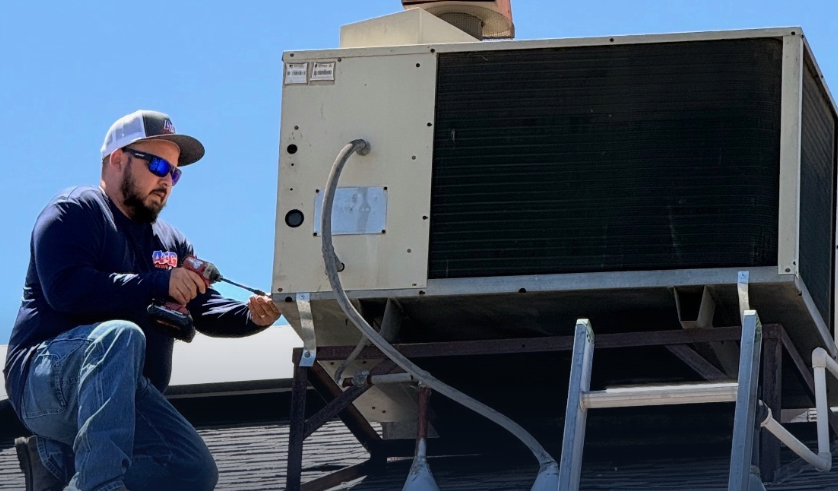
When Should You Consider Professional Indoor Air Quality Services?
Persistent dust accumulation, inadequate airflow, recurring odors, and concerns about smoke entering your home may indicate that your current filtration setup needs attention.
A professional assessment can help determine whether your HVAC system needs a filter upgrade, improved duct sealing, additional filtration equipment, or another indoor air quality solution.
Protect Your Home From Wildfire Smoke
Wildfire smoke protection starts with understanding how your home's ventilation and filtration systems work together. A suitable filter, properly maintained HVAC equipment, and effective indoor air management practices can make a meaningful difference during smoky conditions.
For expert guidance, contact A&G Heating and Air to discuss practical filtration and air purification options for your home. The right solution should match your HVAC system, household requirements, and indoor air quality concerns.
Don't let wildfire smoke compromise your home's indoor environment. Contact A&G Heating and Air to explore professional filtration and air purification options. Schedule an assessment and find the right solution for your home's HVAC system and air quality needs.